



PAT Testing in London
PAT Testing London – Portable Appliance Testing for Landlords & Businesses
Professional PAT Testing by Qualified Electricians in London
Ideal Electricians provides professional Portable Appliance Testing (PAT testing) services for landlords, businesses, offices, schools, care homes, and domestic properties across London. Our qualified electricians carry out thorough visual inspections and electrical tests on all portable appliances to check they are safe to use.
PAT testing involves a combination of visual inspection and electrical testing using calibrated PAT test equipment. Each appliance is assessed for signs of damage, incorrect wiring, and electrical faults that could present a risk of electric shock or fire. Appliances that pass testing are labelled with a PAT test pass sticker, and a full written report is provided on completion.
We test all types of portable electrical appliances including computers, printers, kettles, toasters, power tools, extension leads, phone chargers, and any other electrically powered equipment used in your property or workplace.
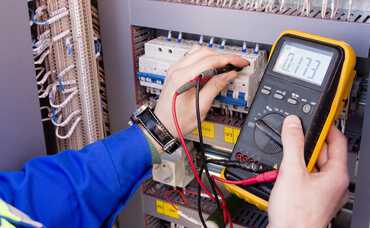
What Is PAT Testing and Is It a Legal Requirement?
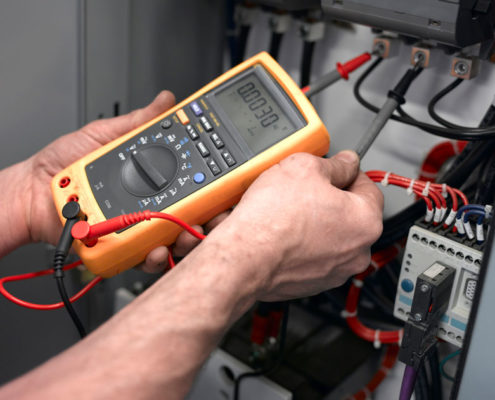
Portable Appliance Testing (PAT testing) is the process of examining electrical appliances and equipment to ensure they are safe to use. It involves a visual inspection of the appliance, its cable, and plug, followed by a series of electrical tests using a PAT tester.
In the UK, PAT testing is not a specific legal requirement in itself. However, the Health and Safety at Work Act 1974, the Electricity at Work Regulations 1989, and the Provision and Use of Work Equipment Regulations 1998 (PUWER) all place a legal duty on employers to ensure that electrical equipment in the workplace is safe and properly maintained. PAT testing is the most widely recognised method of demonstrating compliance with these duties.
For landlords, the Electrical Safety Standards in the Private Rented Sector (England) Regulations 2020 require an EICR for fixed installations, but PAT testing of portable appliances provided as part of a furnished tenancy is also strongly recommended as part of the overall electrical safety management of the property.
What PAT Testing Involves – The Testing Process
Our PAT testing service follows a systematic process in line with the IET Code of Practice for In-Service Inspection and Testing of Electrical Equipment (4th Edition):
Step 1 – Visual Inspection
Each appliance is visually examined for signs of damage including cracked or damaged casings, frayed or damaged cables, bent or damaged pins on the plug, signs of overheating or burning, incorrect fuse rating in the plug, and any other visible defects.
Step 2 – Electrical Testing
Using calibrated PAT test equipment, we carry out earth continuity testing, insulation resistance testing, and where applicable, touch current and load testing. The specific tests applied depend on the class of appliance (Class I earthed equipment, Class II double insulated equipment, or Class III equipment).
Step 3 – Labelling and Certification
Each appliance that passes testing receives a PAT test pass label showing the date of test, the retest date, and the tester’s identification. Failed appliances receive a fail label and are taken out of service pending repair or replacement. A full appliance register and test report is provided on completion.
PAT Testing for Landlords in London
Landlords who provide electrical appliances as part of a furnished or part-furnished rental property have a duty of care to ensure those appliances are safe. This includes kettles, toasters, washing machines, tumble dryers, refrigerators, televisions, lamps, and any other electrical equipment provided with the tenancy.
PAT testing of provided appliances is widely recommended by letting agents and landlord associations as part of a comprehensive electrical safety strategy alongside the mandatory EICR. Having a current PAT test certificate for all provided appliances demonstrates due diligence and can be important in the event of an insurance claim or tenancy dispute.
Ideal Electricians provides an efficient landlord PAT testing service across London, testing all appliances in a property in a single visit and providing a comprehensive written report and labelled appliances on the same day.
Local Electricians You Can Trust
Our team of electricians serves East London and surrounding areas. We focus on professional workmanship, safety, and timely service.
We handle:
- Faulty appliance inspections
- Regular PAT testing schedules
- Emergency electrical checks
- Commercial and domestic testing
- Landlord PAT requirements
PAT Testing for Businesses and Offices in London
Businesses have a legal duty under the Electricity at Work Regulations 1989 to ensure that electrical equipment is maintained in a safe condition. The Health and Safety Executive (HSE) and insurance companies recognise PAT testing as an appropriate method for demonstrating that portable appliance safety is managed effectively.
Our business PAT testing service covers all types of commercial premises including offices, retail units, warehouses, workshops, schools, nurseries, care homes, hotels, restaurants, and hospitality venues. We can test any number of appliances and work flexibly around your business hours to minimise disruption.
We provide a full appliance register, test results report, and PAT test certificate for your health and safety records. We can also set up a reminder system for your next test date to ensure continued compliance.
How Frequently Should PAT Testing Be Carried Out?
The recommended frequency of PAT testing depends on the type of environment and the type of appliance. The IET Code of Practice provides guidance based on risk assessment rather than specifying a fixed annual requirement:
- Construction sites and industrial environments – Every 3 months for handheld tools, every 12 months for fixed or stationary equipment
- Offices and low-risk environments – Every 2–4 years for Class II double-insulated IT equipment, every 1–2 years for Class I equipment such as desk lamps and extension leads
- Hotels, schools, and care homes – Annually for most portable appliances due to high usage and handling by multiple users
- Rental properties – Between tenancies and annually for higher-risk appliances
Our electricians can carry out a risk assessment of your property or premises and advise on the most appropriate testing frequency for your specific situation.
What Appliances Need PAT Testing?
Any portable electrical appliance that is connected to the mains supply via a plug and socket should be considered for PAT testing. This includes:
- Computers, laptops, monitors, printers, and other IT equipment
- Desk lamps, floor lamps, and other portable lighting
- Extension leads and multi-socket adaptors
- Kettles, toasters, microwaves, and other kitchen appliances
- Power tools including drills, sanders, and angle grinders
- Televisions, audio equipment, and entertainment systems
- Washing machines, tumble dryers, refrigerators, and dishwashers
- Electric fans, heaters, and air conditioning units
- Phone chargers, power supplies, and adaptors
Appliances that are permanently wired (hard-wired into the fixed installation) are not portable appliances and are inspected as part of an EICR rather than PAT testing.
Portable Appliance Testing (PAT) is the inspection and testing of electrical appliances to ensure they are safe for use.
Businesses, landlords, schools, and offices using plug-in appliances require PAT testing.
The frequency depends on appliance use and risk assessment, but typically annual testing is recommended for commercial properties.
PAT Testing Certificates and Documentation
On completion of PAT testing, Ideal Electricians provides a comprehensive written report documenting:
- Full appliance register with description, serial number, and location of each item tested
- Test results for each appliance including pass or fail status
- Details of any failed appliances and the reason for failure
- Date of testing and recommended retest date
- Tester identification and qualifications
This documentation is important for demonstrating compliance with health and safety legislation, supporting insurance claims, and providing evidence of due diligence. All PAT test labels on appliances show the test date and next recommended test date for quick visual verification.
We can provide reports in paper or electronic format and retain records for our own files to assist with future testing scheduling.