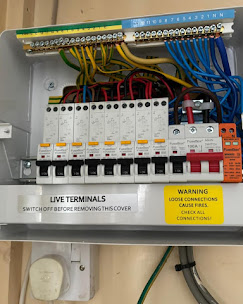
EICR London – Electrical Installation Condition Reports
Electrical Installation Condition Reports (EICR) in London – NICEIC Approved
Professional EICR Testing for London Homes and Businesses
An Electrical Installation Condition Report (EICR) — also known as a periodic inspection report or electrical safety certificate — assesses the condition of the fixed electrical installation in a property against the current edition of BS 7671 (the IET Wiring Regulations). Ideal Electricians carries out EICRs for residential landlords, homeowners, and commercial properties across London.
Our NICEIC approved electricians conduct a thorough inspection and testing of your electrical installation, identifying any defects, deterioration, or departures from current wiring standards. On completion you receive a detailed EICR with clear recommendations for any remedial work required.
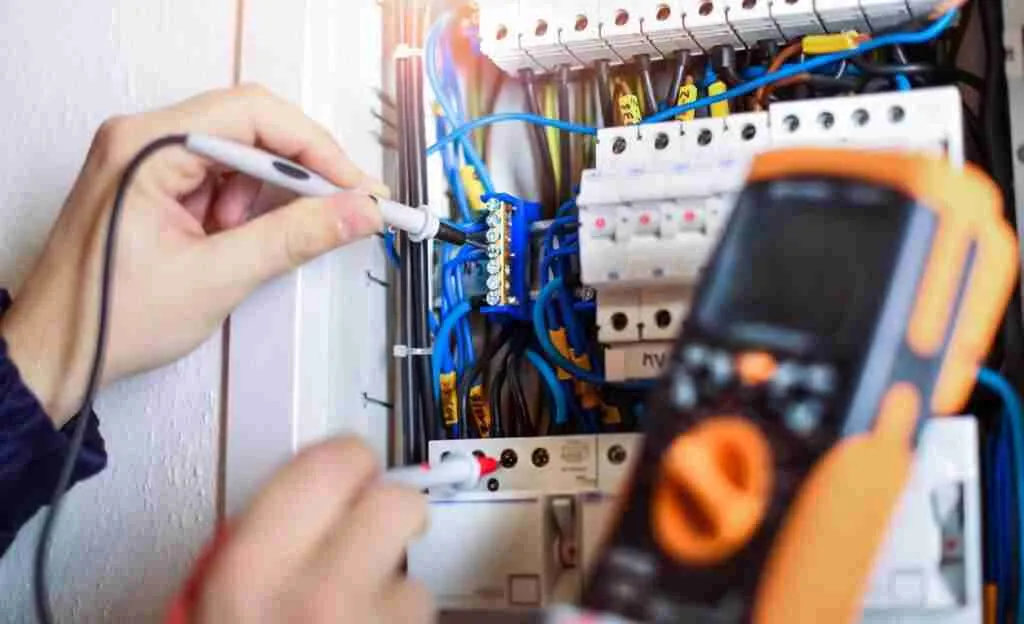
What is an EICR and Why Do You Need One?
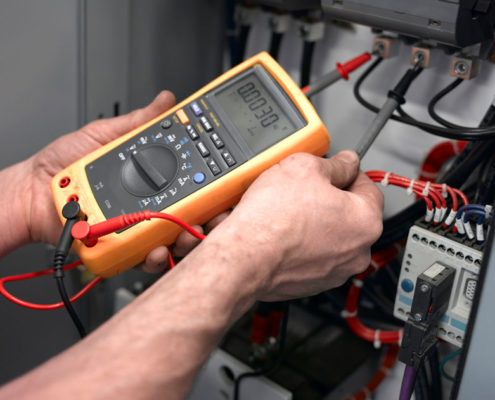
An EICR is a formal document produced by a qualified electrician following a thorough inspection and testing of the fixed electrical installation in a property. The report details the condition of the electrical system, records any observed defects or damage, and identifies any aspects of the installation that do not meet the current edition of BS 7671.
EICRs are required by law for landlords letting residential properties in England and Wales. The Electrical Safety Standards in the Private Rented Sector (England) Regulations 2020 require landlords to have a valid EICR from a qualified person, with a maximum inspection period of 5 years. The EICR or a written confirmation that the electrical installation is satisfactory must be provided to tenants before they move in, and to existing tenants and the local authority on request.
For commercial properties, EICRs are required under the Electricity at Work Regulations 1989, with a recommended maximum inspection period of 5 years for commercial premises.
What Does an EICR Inspection Cover?
During an EICR inspection, our electricians visually inspect and carry out electrical tests on the fixed wiring and electrical installation throughout the property. The inspection covers:
Visual inspection: Assessment of the consumer unit (fuse board), wiring, sockets, light fittings, switches, and all accessible electrical equipment for signs of damage, deterioration, or unsafe DIY work. Verification that cables are correctly protected, supported, and labelled.
Electrical tests: Continuity testing to confirm protective conductors are intact. Insulation resistance testing to check cables and equipment for deterioration. Polarity testing to confirm conductors are correctly connected. Earth fault loop impedance testing to verify the earthing system will operate protective devices within safe disconnection times. RCD testing to confirm residual current devices operate within the required time.
Understanding EICR Codes – C1, C2, C3, and FI
Every defect or observation recorded on an EICR is given a classification code that indicates the severity and urgency of any action required:
C1 – Danger Present: The defect poses an immediate danger to persons or property and requires immediate action. Where a C1 is found, we isolate the affected circuit or installation before leaving the property. A property with a C1 code will result in an Unsatisfactory EICR until the defect is rectified.
C2 – Potentially Dangerous: The defect could become dangerous in use. Urgent remedial action is required. A C2 code results in an Unsatisfactory EICR, and remedial work should be completed within 28 days of the inspection date.
C3 – Improvement Recommended: The installation does not meet current wiring standards but does not pose an immediate or potential danger. Improvement is recommended but the EICR may still be classified as Satisfactory if no C1 or C2 codes are recorded.
FI – Further Investigation Required: The inspector was unable to reach a firm conclusion about the condition of part of the installation without further investigation. FI items should be investigated and resolved promptly.
How Long Does an EICR Take?
The time required for an EICR depends on the size and complexity of the property and the condition of the electrical installation. As a guide:
A typical one-bedroom or two-bedroom flat usually takes 1 to 2 hours. A three-bedroom to four-bedroom house typically takes 2 to 4 hours. Larger properties or those with older electrical installations may take longer. Commercial properties vary significantly depending on the size and complexity of the installation.
We will advise you of the likely duration when you book, based on the property type and size. Access to all rooms, the loft space, and the consumer unit will be required throughout the inspection.
How Often Do You Need an EICR?
The recommended maximum inspection periods are:
Rented residential properties: Every 5 years, or on change of tenancy, whichever is sooner. This is now a legal requirement under the Electrical Safety Standards in the Private Rented Sector (England) Regulations 2020.
Owner-occupied homes: Every 10 years, or when selling the property, or when significant changes have been made to the electrical installation.
Commercial premises: Every 5 years, or on change of occupancy. Higher-risk premises such as food service, swimming pools, and premises with a high turnover of occupants may require more frequent inspection.
HMOs (Houses in Multiple Occupation): Every 5 years. HMO licences commonly require a current satisfactory EICR.
Why Choose Ideal Electricians for Your EICR?
Ideal Electricians is a NICEIC approved contractor, which means our electricians meet the highest standards of technical competence and are regularly assessed to ensure consistent quality and safety. When you book an EICR with us, you can be confident the report is produced by a qualified, experienced electrician who understands current wiring regulations.
We provide clear, easy-to-understand EICR reports that identify exactly what needs to be done and why. If remedial work is required, we can carry out the necessary repairs and re-test, issuing a satisfactory EICR on completion. There is no need to arrange a second contractor.
We cover all London boroughs and offer competitive fixed pricing for EICR inspections. Our electricians are punctual, respectful of your property, and will explain the findings of the inspection clearly before they leave.

EICR for Landlords in London
Since 1 July 2020 (new tenancies) and 1 April 2021 (all tenancies), landlords in England must have a valid EICR from a qualified person for all privately rented residential properties. The regulations require:
The electrical installation is inspected and tested at intervals of no more than 5 years by a qualified and competent person. A copy of the EICR is provided to existing tenants within 28 days of the inspection, and to any new tenant before they occupy the premises. A copy is provided to prospective tenants within 28 days of their request. A copy is provided to the local housing authority within 7 days of their request. Where the EICR identifies remedial work is required, the work is completed within 28 days (or the period specified in the report) and written confirmation provided to the tenant and local authority.
Failure to comply with these regulations can result in a financial penalty of up to £30,000 per breach. Ideal Electricians provides EICR services for landlords across London, with flexible scheduling to work around tenants and void periods.
What Happens After a Failed EICR?
If your EICR is classified as Unsatisfactory — meaning one or more C1 or C2 codes have been recorded — remedial work must be carried out and the affected circuits or installation retested before a satisfactory report can be issued.
For landlords, the Electrical Safety Standards Regulations 2020 require that all remedial work identified in the report is completed within 28 days of the inspection date (or within the shorter period specified in the EICR), and that written confirmation of the completed work is provided to all existing tenants and the local authority.
Ideal Electricians can carry out all remedial work arising from an unsatisfactory EICR. Once the work is complete, we retest the affected circuits and issue a satisfactory EICR or an Electrical Installation Certificate for the new or replacement work. We provide all required documentation promptly to support your compliance obligations.
EICR Frequently Asked Questions
Is an EICR the same as a gas safety certificate?
No. A gas safety certificate (CP12) covers gas appliances and pipework. An EICR covers the fixed electrical installation. Both are required annually and at 5-year intervals respectively for rental properties.
Will the electrician need to turn the power off?
Yes, briefly. Some tests require circuits to be isolated. We aim to minimise disruption and will advise you before any circuit is switched off. The property will not be without power for an extended period.
Can I stay in my property during the EICR?
Yes. There is no need to vacate the property. However, the electrician will need access to all rooms, the consumer unit, and the loft space throughout the inspection.
How much does an EICR cost in London?
EICR pricing depends on the size and type of the property and the number of circuits. Contact us for a competitive fixed-price quote for your property.
Does an EICR cover appliances?
No. An EICR covers only the fixed electrical installation — the wiring, consumer unit, sockets, switches, and light fittings. It does not cover portable appliances, which are covered by PAT testing.
An EICR test checks the condition of your electrical installation, including wiring, circuits, sockets, switches, consumer units, earthing, bonding, and protective devices.
Yes, landlords are expected to keep rental properties electrically safe. An EICR helps confirm the condition of the electrical installation and identifies any faults that need repair.
The time depends on the size and condition of the property. A small flat may take less time, while larger homes or commercial properties may require a longer inspection.
If the report is unsatisfactory, it means electrical faults or safety issues have been found. Our electricians can explain the problems and provide remedial repairs where needed.
Yes. Our electricians are fully qualified and experienced in EICR testing, electrical inspections, fault finding, and electrical repairs.
Remedial Work and Electrical Repairs Following an EICR
Our electricians can carry out all types of remedial electrical work arising from an unsatisfactory EICR, including replacement of outdated consumer units, installation of RCD protection, replacement of damaged or deteriorated cables and accessories, correction of wiring faults, installation of additional earthing arrangements, and any other work identified in the report. All remedial work is carried out to BS 7671 and certified on completion.
Other Electrical Services from Ideal Electricians
In addition to EICR inspections, Ideal Electricians provides a comprehensive range of electrical services for London homes and businesses including consumer unit replacement, full or partial rewiring, smoke alarm installation, security lighting, PAT testing, electric cooker installation, storage heater repair, and 24-hour emergency electrical callout. View all our electrical services.